

As a supplier of Solvent Recovery Plants, I've witnessed firsthand the critical role these facilities play in various industries. Solvent recovery is not only about cost - efficiency and resource conservation but also about environmental protection. However, like any industrial process, solvent recovery plants generate waste products. In this blog, I'll explore the types of waste products generated by a solvent recovery plant and discuss how to manage them effectively.
1. Residual Solids
One of the primary waste products from a solvent recovery plant is residual solids. These solids can originate from several sources. During the solvent recovery process, impurities such as dirt, rust, and other particulate matter that were present in the used solvent are left behind as the solvent is vaporized and condensed. For example, in a paint - related industry where solvents are used to clean equipment, the used solvents may contain pigments, binders, and other solid components of the paint.
When using a Solvent Recovery Machine, these solids accumulate at the bottom of the distillation chamber. The quantity and nature of these solids depend on the type of solvent being recovered and the industry in which it is used. In some cases, these solids may be hazardous, especially if they contain heavy metals or other toxic substances. Proper disposal of these residual solids is crucial to prevent environmental contamination. They may need to be sent to a specialized waste treatment facility that can handle hazardous waste.
2. Spent Adsorbents
Many solvent recovery plants use adsorbents such as activated carbon to remove impurities and odors from the solvents. Over time, these adsorbents become saturated with contaminants and lose their effectiveness. Once they reach this point, they are considered spent adsorbents and become a waste product.
Activated carbon, for instance, can adsorb a wide range of organic compounds, including volatile organic compounds (VOCs). When it is no longer able to adsorb effectively, it needs to be replaced. The spent activated carbon may contain a variety of pollutants, and its disposal must be carefully managed. Some spent adsorbents can be regenerated, but this process is often complex and may require specialized equipment. In other cases, they need to be disposed of as hazardous waste according to local regulations.
3. Wastewater
Solvent recovery processes often generate wastewater. This wastewater can contain traces of solvents, dissolved salts, and other contaminants. For example, during the cleaning of the equipment in a solvent recovery plant or as a by - product of certain separation processes, water is used, and it becomes contaminated in the process.

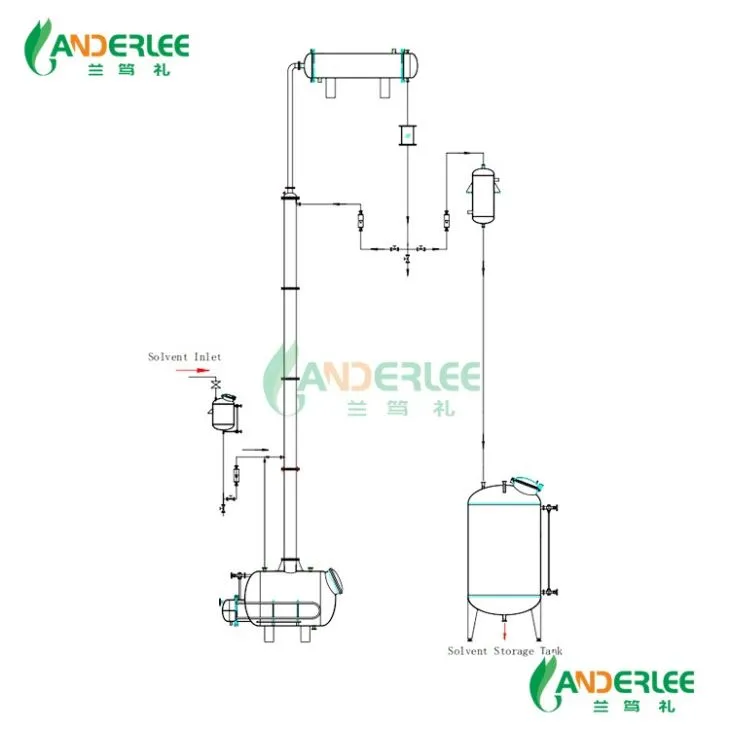
The composition of the wastewater depends on the type of solvent being recovered and the specific recovery methods employed. If the wastewater contains high levels of solvents or other hazardous substances, it cannot be discharged directly into the environment. Treatment of this wastewater is essential. It may involve processes such as filtration, distillation, or biological treatment to remove the contaminants before it can be safely discharged or reused.
4. Off - gases
During the distillation and evaporation processes in a solvent recovery plant, off - gases are produced. These off - gases can contain volatile solvents, VOCs, and other harmful substances. For example, when using an Ethanol Recovery Tower, ethanol vapors and other volatile impurities are released into the air as off - gases.
Off - gases need to be properly treated to prevent air pollution. This can be achieved through the use of air pollution control devices such as condensers, scrubbers, or activated carbon filters. Condensers can recover some of the volatile solvents by cooling the off - gases and converting the vapors back into a liquid state. Scrubbers can remove certain pollutants by passing the off - gases through a liquid solution that reacts with the contaminants. Activated carbon filters can adsorb VOCs and other organic compounds.
5. Inert Materials from Separation Processes
In some solvent recovery processes, inert materials are used for separation purposes. For example, in a distillation column, packing materials such as ceramic rings or metal mesh are used to increase the surface area for mass transfer. Over time, these packing materials can become fouled with contaminants and need to be replaced.
The fouled packing materials are considered waste products. Depending on the nature of the contaminants, they may need to be disposed of as hazardous waste. In some cases, if the fouling is not severe, the packing materials can be cleaned and reused, which can reduce waste generation and cost.
Managing Waste Products in a Solvent Recovery Plant
Effective management of waste products from a solvent recovery plant is essential for environmental and regulatory compliance. Here are some strategies:
Recycling and Reuse
As mentioned earlier, some waste products such as spent adsorbents and packing materials can be recycled or reused. Recycling can reduce the amount of waste sent to landfills and conserve resources. For example, spent activated carbon can sometimes be regenerated by heating it to high temperatures to drive off the adsorbed contaminants.
Waste Minimization
By optimizing the solvent recovery process, it is possible to minimize the generation of waste products. This can involve using more efficient separation techniques, improving the quality of the incoming used solvents, and reducing the amount of water and energy used in the process. For example, using a Solvent Concentration Machine can help concentrate the solvents before distillation, reducing the amount of energy required and potentially minimizing waste generation.
Proper Disposal
For waste products that cannot be recycled or reused, proper disposal is crucial. This means following all local, state, and federal regulations regarding the disposal of hazardous and non - hazardous waste. Working with a reputable waste management company can ensure that waste is disposed of safely and legally.
Conclusion
Solvent recovery plants are an important part of many industries, but they do generate waste products. Residual solids, spent adsorbents, wastewater, off - gases, and inert materials from separation processes are all common waste products. By understanding the nature of these waste products and implementing effective management strategies such as recycling, waste minimization, and proper disposal, we can reduce the environmental impact of solvent recovery operations.
If you are in need of a Solvent Recovery Plant or have questions about waste management in solvent recovery processes, I encourage you to reach out for a detailed discussion. We can provide you with the most suitable solutions based on your specific requirements.
References
- "Industrial Solvent Recovery: Principles and Practice" by [Author's Name]
- "Environmental Management of Chemical Industries" by [Author's Name]
- "Waste Treatment and Disposal in the Chemical Industry" by [Author's Name]