

In the dynamic landscape of maritime operations, high - traffic areas present a unique set of challenges and opportunities for multi - function vessels. As a supplier of multi - function vessels, I've witnessed firsthand how these versatile ships perform under the pressure of congested waters.
Navigational Challenges in High - Traffic Areas
One of the most significant challenges multi - function vessels face in high - traffic areas is navigation. The presence of numerous ships, often with different sizes, speeds, and routes, creates a complex web of movement. These vessels must be equipped with advanced navigation systems to ensure safe passage. Our multi - function vessels are outfitted with state - of the - art radar technology, GPS systems, and electronic chart display and information systems (ECDIS). These tools provide real - time information about the position, speed, and course of nearby vessels, allowing our ships' captains to make informed decisions and avoid collisions.
Additionally, traffic separation schemes in high - traffic areas must be strictly adhered to. Our vessels are designed to easily adapt to these rules. Special training programs are also provided to the crew to understand and respect these regulations. For example, in the Strait of Malacca, one of the busiest shipping lanes in the world, multi - function vessels must stay within the designated lanes and follow the established traffic flow. Our crew's knowledge and compliance with these rules have contributed to the safe and efficient passage of our vessels through such areas.
Manoeuvrability
The ability to manoeuvre quickly and precisely is crucial in high - traffic areas. Our multi - function vessels are engineered with excellent manoeuvrability features. They are equipped with azimuth thrusters and bow thrusters, which give them a high degree of lateral and rotational control. This allows the vessels to make sharp turns, stop quickly, and maintain position even in tight spaces.
In crowded ports or narrow channels, for instance, traditional ships may struggle to dock or navigate through traffic. However, our multi - function vessels can navigate with ease. The flexibility provided by the thrusters enables them to adjust their course rapidly in response to changing traffic conditions. This not only improves safety but also reduces the time spent in high - traffic areas, increasing overall operational efficiency.
Cargo Handling in High - Traffic Areas
Multi - function vessels are designed to handle a variety of cargoes, and this versatility becomes both an advantage and a challenge in high - traffic areas. On one hand, the ability to carry different types of cargo means that these vessels can serve multiple purposes, making them more valuable in busy ports. For example, they can transport bulk goods such as grains or fuels, as well as perform tasks such as oil spill response or salvage operations.

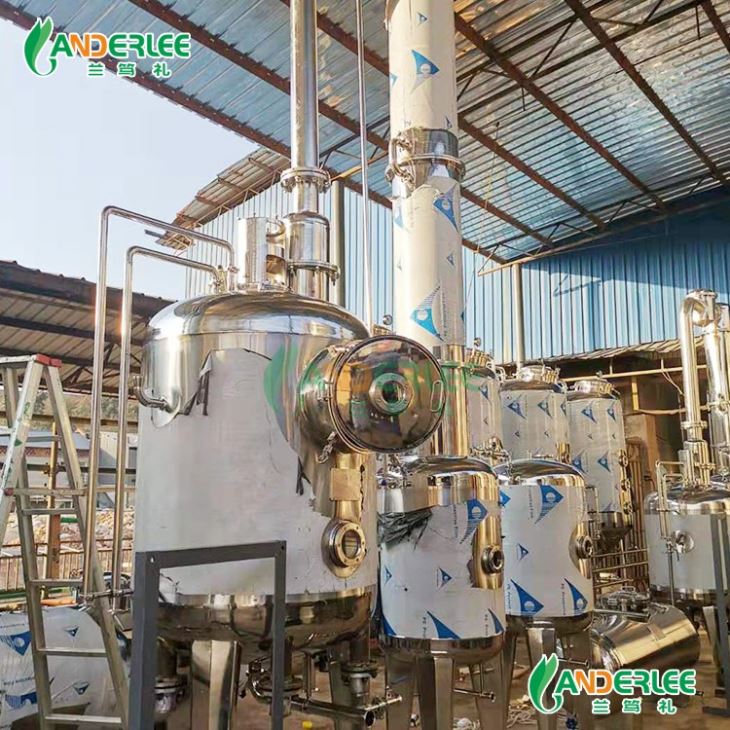
On the other hand, the need to handle different types of cargo in a timely and safe manner requires well - organized systems. Our vessels are equipped with specialized cargo handling equipment, including cranes, loading arms, and storage tanks. Take, for example, our Stainless Steel Horizonal Tank, which is designed for the safe storage and transportation of various liquids. The efficient loading and unloading processes ensure that the vessels can minimize their time at berths, reducing congestion in high - traffic ports.
Communication and Coordination
Effective communication and coordination are essential in high - traffic areas. Our multi - function vessels are equipped with advanced communication systems, including VHF radios, satellite phones, and data communication links. These systems allow the crew to communicate with other vessels, port authorities, and shore - based support teams.
Regular training is also provided to the crew on communication protocols. In high - traffic areas, clear and concise communication can prevent misunderstandings and potential collisions. For example, when approaching a busy intersection or a congested port, the vessel's crew must communicate their intentions clearly to other ships in the vicinity. This helps to maintain an orderly flow of traffic and ensures the safety of all vessels involved.
Environmental Considerations
In high - traffic areas, environmental concerns are of utmost importance. Our multi - function vessels are designed to meet the highest environmental standards. They are equipped with advanced fuel - efficient engines, which reduce emissions and minimize the environmental impact. Additionally, wastewater treatment systems and oil - water separation equipment are installed on board to prevent pollution.
Furthermore, our vessels are also capable of performing environmental protection tasks. For example, they can be used for oil spill response operations. The Solvent Extraction Equipment and Solvent Nicotine Extraction Equipment on our vessels can be used to clean up oil spills and extract harmful substances from the water, helping to protect the marine environment in high - traffic areas.
Role in High - Traffic Area Infrastructure Development
Multi - function vessels can also play a significant role in the development of high - traffic area infrastructure. They can be used for dredging operations to maintain the depth of channels and ports, ensuring that larger vessels can safely navigate. Our vessels are equipped with powerful dredging equipment that can efficiently remove sediment and debris from the seabed.
Moreover, these vessels can assist in the construction of offshore structures such as wind farms and oil platforms. Their ability to carry heavy equipment and perform various tasks makes them ideal for these types of projects. In high - traffic areas where space is limited, the multi - function nature of our vessels allows them to support multiple activities simultaneously, reducing the overall impact on traffic flow.
Conclusion and Call to Action
In conclusion, multi - function vessels perform impressively in high - traffic areas. Their advanced navigation systems, manoeuvrability, efficient cargo handling, effective communication, environmental friendliness, and infrastructure support capabilities make them an essential asset in congested waters.
If you're in the market for a reliable multi - function vessel that can perform well in high - traffic areas, look no further. Our company has a wide range of vessels to meet your specific needs. Whether you require a vessel for cargo transportation, environmental protection, or infrastructure development, we have the expertise and the products to deliver. Contact us today to start a discussion about your requirements and explore how our multi - function vessels can enhance your maritime operations.
References
- IMO (International Maritime Organization). Guidelines for the Safe Operation of Ships in High - Traffic Areas.
- Lloyd's Register. Rules and Regulations for the Classification of Ships.