

Hey there! I'm a supplier of multi - function vessels, and today I wanna chat about how these amazing vessels deal with seaweed and other marine debris. It's a topic that's not only super important for our oceans but also shows off the versatility of our multi - function vessels.
First off, let's talk about why dealing with seaweed and marine debris is such a big deal. Seaweed, while it's a natural part of the marine ecosystem, can sometimes grow out of control. When large amounts of seaweed wash up on beaches, it can be a real eyesore and even cause problems for local businesses and tourism. And then there's all the other marine debris, like plastic bottles, fishing nets, and discarded waste. This stuff is not only ugly but also extremely harmful to marine life. Animals can get entangled in the debris, or they might mistake it for food and end up ingesting it.
So, how do our multi - function vessels step in to solve these problems? Well, one of the key features of our vessels is their advanced collection systems. These systems are specifically designed to scoop up seaweed and other debris from the water surface. We've got these big, wide - mouth nets that are attached to the front of the vessels. As the vessel moves through the water, the nets open up and collect all the floating seaweed and debris. It's a bit like a giant vacuum cleaner for the ocean!
But it's not just about collecting the stuff. Once the seaweed and debris are on board, our multi - function vessels have different ways of handling them. For seaweed, we can use it for various purposes. Some of it can be processed into biofuel. That's right! Seaweed is a great source of renewable energy. Our vessels are equipped with Solvent Extraction Equipment that can break down the seaweed and extract the useful components for biofuel production. This not only helps deal with the excess seaweed but also provides a sustainable energy source.
Another option for the seaweed is to turn it into fertilizer. Seaweed is rich in nutrients like nitrogen, phosphorus, and potassium, which are great for plants. Our vessels can transport the collected seaweed to processing facilities where it can be turned into high - quality fertilizer. This way, we're taking something that could be a problem and turning it into something useful for agriculture.
Now, let's talk about the other marine debris. Plastic and other non - biodegradable materials are a real challenge. But our multi - function vessels are up to the task. After collecting the debris, we separate it on board. We've got sorting systems that can distinguish between different types of materials. Plastic bottles, for example, can be sent to recycling facilities. Our vessels are designed to work in conjunction with these recycling centers, making the whole process more efficient.
For larger items like fishing nets, we have special storage areas on the vessels. These nets can be taken to specialized facilities where they can be recycled or repurposed. It's all about reducing waste and making the most of what we collect from the ocean.
In addition to the collection and processing capabilities, our multi - function vessels are also very efficient in terms of operation. They're equipped with state - of - the - art navigation systems that allow the crew to easily locate areas with high concentrations of seaweed and debris. This means we can save time and fuel by going straight to the problem areas.
The vessels are also designed to be environmentally friendly. We use low - emission engines to reduce our carbon footprint. And the materials used in the construction of the vessels are chosen for their durability and recyclability. This way, we're not only helping the ocean by cleaning it up but also minimizing our impact on the environment during the process.

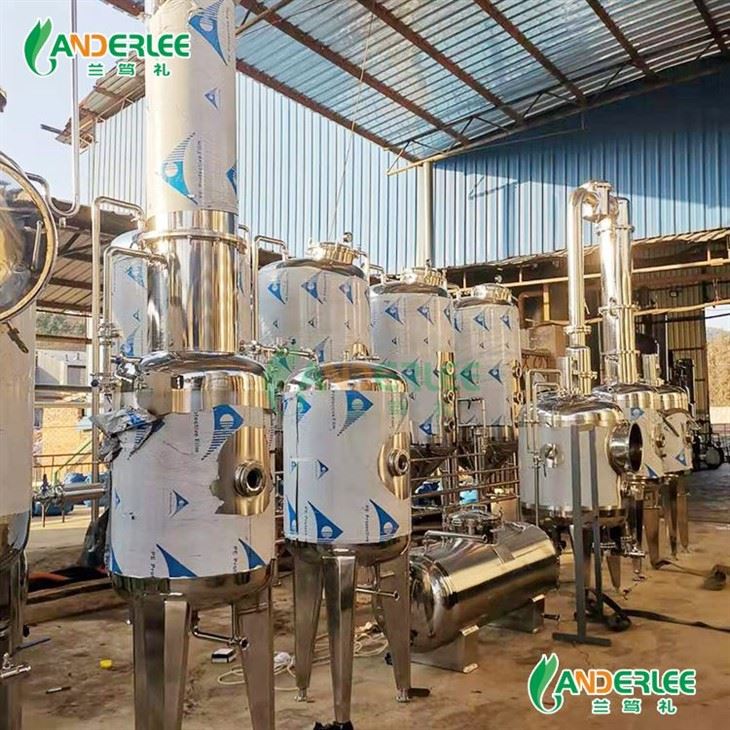
One of the great things about our multi - function vessels is their adaptability. They can be customized to meet the specific needs of different regions. For example, in areas where there's a lot of seaweed but not much plastic debris, we can focus more on the seaweed collection and processing capabilities. On the other hand, in regions with high levels of plastic pollution, we can enhance the sorting and recycling systems on the vessels.
We're also constantly working on improving our technology. We're researching new ways to extract more value from the seaweed and other marine materials we collect. For instance, we're looking into using Solvent Nicotine Extraction Equipment to see if there are any useful compounds in seaweed that could be used in the pharmaceutical or cosmetic industries.
If you're in the business of ocean conservation or if you're a local government looking to keep your beaches clean, our multi - function vessels could be the perfect solution for you. They offer a comprehensive approach to dealing with seaweed and marine debris, from collection to processing and recycling.
We understand that every situation is different, and we're more than happy to have a chat with you to figure out how our vessels can best meet your needs. Whether you need a small vessel for a local harbor or a larger one for open - sea operations, we've got you covered.
So, if you're interested in learning more about our multi - function vessels and how they can help you tackle the problem of seaweed and marine debris, don't hesitate to reach out. We're here to answer your questions and start the conversation about a cleaner, healthier ocean.
References
- Johnson, A. (2020). Marine Debris and its Impact on the Ocean Ecosystem. Ocean Science Journal.
- Smith, B. (2021). Seaweed Utilization: From Waste to Resource. Renewable Energy Research.