

For those of us involved in the operation and maintenance of supercritical equipment in industries such as chemical and pharmaceutical manufacturing, high-pressure piping is the "lifeblood" of the system. While we monitor it closely during normal operation, maintenance during shutdown is often overlooked. In reality, post-shutdown maintenance is critical. Once removed from their normal operating environment, pipelines are susceptible to residual fluid corrosion and damage from temperature and humidity fluctuations, which can lead to leaks or ruptures upon restart. This results in production delays and significant financial losses. Based on years of hands-on operation and maintenance experience, I will outline the key points of high-pressure piping shutdown maintenance in straightforward terms-all readily applicable best practices that are easy to remember and implement.
Initial Shutdown: Complete the Standard Procedure to Facilitate Subsequent Maintenance
After equipment shutdown, it should not be left unattended. First, ensure pressure is relieved, residual fluid is drained, and external surfaces are cleaned. These three steps form the foundation for all subsequent maintenance and must not be skipped.
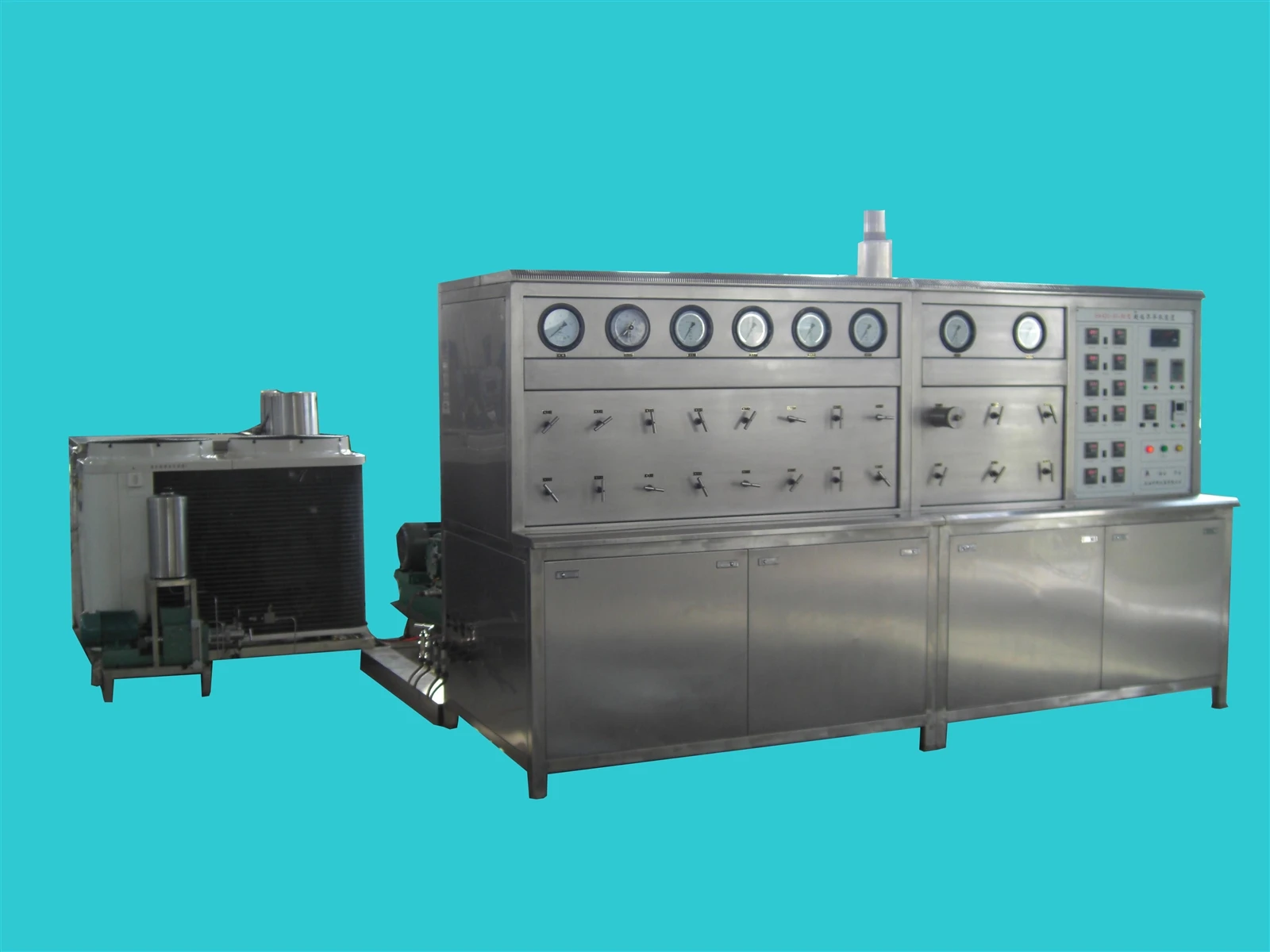
When depressurizing, always follow the equipment manual and reduce pressure in stages gradually. Never rush this process, as rapid depressurization can cause water hammer, easily damaging the pipe inner walls and seals. After depressurization, open the drain valves at both the high and low points of the pipeline to create convection and thoroughly drain any remaining fluid. If the pipeline carries corrosive media, remember to purge with nitrogen for at least 30 minutes to ensure complete removal of residual fluid. External cleaning is straightforward: wipe the pipe surface with a neutral cleaning agent, paying special attention to areas where dirt accumulates, such as joints and flanges. After wiping, ensure the surface is thoroughly dried to prevent moisture and dirt buildup, which can cause corrosion.
Core Maintenance: Focus on Corrosion Prevention and Sealing to Eliminate Potential Failures
High-pressure piping is typically constructed from high-strength alloys. While normally protected by the process media, once the system is stopped, this "protective layer" is lost, making the piping highly vulnerable to corrosion from air and moisture. Therefore, corrosion prevention and sealing are the top priorities at this stage.
1.Internal Corrosion Protection: For extended shutdowns (exceeding 15 days), prioritize nitrogen blanketing. Use dry nitrogen with a purity of at least 98% and maintain a pressure of 0.03-0.05 MPa (gauge). Check the pressure gauge daily and replenish as necessary. For shorter shutdowns (less than 15 days), using desiccant is sufficient; replace it every 3-5 days. Ensure all piping openings are tightly sealed to prevent ingress of air and moisture.
2.External Corrosion Protection: Focus on the protective coating. If the coating is peeling or cracked, first use sandpaper to remove rust and loose material, then apply a layer of the original anti-corrosion paint to the same thickness. Allow it to cure properly. Pay extra attention to vulnerable areas like joints and flanges. Apply a layer of anti-corrosion grease and wrap them with plastic film. If bolts are corroded, sand them down and apply anti-seize lubricant to prevent seizing during future disassembly.
3.Sealing Integrity: Flanges, valves, and weld joints must be inspected individually. Replace flange gaskets immediately if they show signs of aging or damage. During installation, ensure the gasket is seated evenly and bolts are torqued uniformly-neither too loose nor too tight. If valve sealing surfaces are worn or scored, repair or replace them, and apply a suitable sealant. Inspect weld joints for cracks or porosity; address any defects promptly and ensure proper corrosion protection is applied.
Routine Inspection: Regular Checks to Prevent Minor Issues from Escalating
Shutdown maintenance is not a "set-and-forget" task. Establish a routine inspection schedule. Adjust the frequency based on the shutdown duration to identify and address issues early, preventing minor problems from developing into major failures.
1.Short-term Shutdown (up to 7 days): Perform daily visual inspections. Check pipe surfaces for moisture or contamination, inspect connections for leaks, and verify valve operability.
2.Medium-term Shutdown (7 to 30 days): In addition to daily checks, monitor desiccant for moisture absorption, inspect for deterioration of anti-corrosion coatings, and ensure stable pressure in nitrogen-blanketed lines. Perform weekly maintenance on connections and valves.
3.Long-term Shutdown (over 30 days): Monitor system pressure daily. Check desiccant condition or nitrogen purity every 3 days. Purge piping weekly. Conduct a comprehensive monthly inspection of internal surfaces (where accessible) and all connections. Also, take measures to prevent pipes from being impacted or subjected to external loads.
Key Precautions: Avoid These Common Mistakes to Prevent Damage
Based on field maintenance experience, here are critical mistakes to avoid. Neglecting these can render maintenance efforts ineffective and potentially cause secondary damage to the piping system.
1.Never leave equipment idle after shutdown without relieving pressure and draining residual fluid. Residual fluid will corrode internal surfaces, and sustained pressure stresses seals and pipe walls, leading to future leaks.
2.Avoid improper use of nitrogen for protection. This includes using incorrect pressure or insufficient nitrogen purity. Excessive pressure can damage pipe walls, while low-purity nitrogen fails to prevent air ingress and may accelerate corrosion.
3.Do not use strongly corrosive cleaning agents on pipelines. These can damage the external anti-corrosion coating and may corrode the pipe material itself, leading to wall thinning.
4.Never neglect the sealing of interfaces and valves. These are the most vulnerable points. Poor sealing allows air and moisture ingress, leading to rapid corrosion.
5.Do not omit routine inspections. Unaddressed minor issues will inevitably develop into major failures, resulting in costly and labor-intensive repairs.
A final reminder: always adhere to the equipment manufacturer's manual during maintenance. Selected materials such as anti-corrosion grease, sealants, and paints must be compatible with both the piping material and the process media. Personnel must also follow all applicable safety protocols and avoid procedural shortcuts.
Maintaining high-pressure piping in supercritical equipment during shutdown is not overly complex. The core principles can be summarized in four key actions: Clean, Protect, Seal, and Inspect. Do not skip steps; follow procedures meticulously and avoid the common pitfalls outlined above. This disciplined approach ensures piping remains in optimal condition during the shutdown period, leading to safer and more reliable restarts, extended service life, and reduced long-term maintenance costs.
If you are interested in our products, please feel free to contact us via WhatsApp or email. We will respond promptly to your inquiries and provide professional support.