

In the dynamic landscape of battery manufacturing, the efficiency and effectiveness of every production step are of utmost significance. One crucial aspect that often demands attention is the solvent evaporation process. As a reputable Solvent Evaporation Machine supplier, I am frequently asked whether our machines can be used for solvent evaporation in the battery manufacturing process. In this blog post, I will delve into this topic, exploring the technical aspects, feasibility, and benefits of using our solvent evaporation machines in battery manufacturing.
Technical Requirements in Battery Manufacturing
Battery manufacturing involves multiple steps, and the use of solvents is widespread for various purposes such as electrode preparation. Electrode slurries typically contain solvents that need to be evaporated to form solid electrodes. The solvent evaporation process must meet specific technical requirements:

1. Purity of Residue
In battery production, the electrodes' quality is directly related to the purity of the remaining materials after solvent evaporation. Any impurities left by the solvent can potentially affect the battery's performance, including its capacity, cycle life, and safety. Our solvent evaporation machines are designed with high - precision distillation and separation mechanisms. They can effectively separate solvents from other components in the slurry, ensuring that the residue meets the high - purity standards required for battery electrodes.
2. Temperature and Pressure Control
The evaporation process is highly sensitive to temperature and pressure. Different solvents used in battery manufacturing have distinct boiling points and evaporation characteristics. Our machines offer precise temperature and pressure control systems. This allows operators to customize the evaporation parameters according to the specific solvent and slurry composition. For example, for solvents with lower boiling points, the machine can maintain a relatively low temperature to prevent over - heating and possible decomposition of other components in the slurry.
3. Evaporation Rate
The production efficiency of battery manufacturing lines is a critical factor. A high evaporation rate can significantly increase the overall production throughput. Our solvent evaporation machines are equipped with advanced heating and heat - transfer systems that can accelerate the solvent evaporation process without sacrificing the quality of the final product. This rapid evaporation rate ensures that the production line can operate at an optimal speed, reducing waiting times and improving productivity.
Feasibility of Using Solvent Evaporation Machines in Battery Manufacturing
Compatibility with Common Solvents
In battery manufacturing, solvents such as N - Methyl - 2 - pyrrolidone (NMP) are commonly used due to their excellent solubility and stability. Our solvent evaporation machines are engineered to handle a wide range of solvents, including NMP. The machine's internal components are made of materials that are resistant to chemical corrosion, ensuring long - term and stable operation when dealing with these solvents.
Scalability
Battery manufacturing can range from small - scale research and development to large - scale industrial production. Our solvent evaporation machines come in various models with different capacities. Whether it is a pilot plant for new battery technology research or a large - scale production facility, we can provide a suitable solvent evaporation solution. This scalability makes our machines a viable option for battery manufacturers at different stages of development.
Benefits of Using Our Solvent Evaporation Machines in Battery Manufacturing
Solvent Recovery
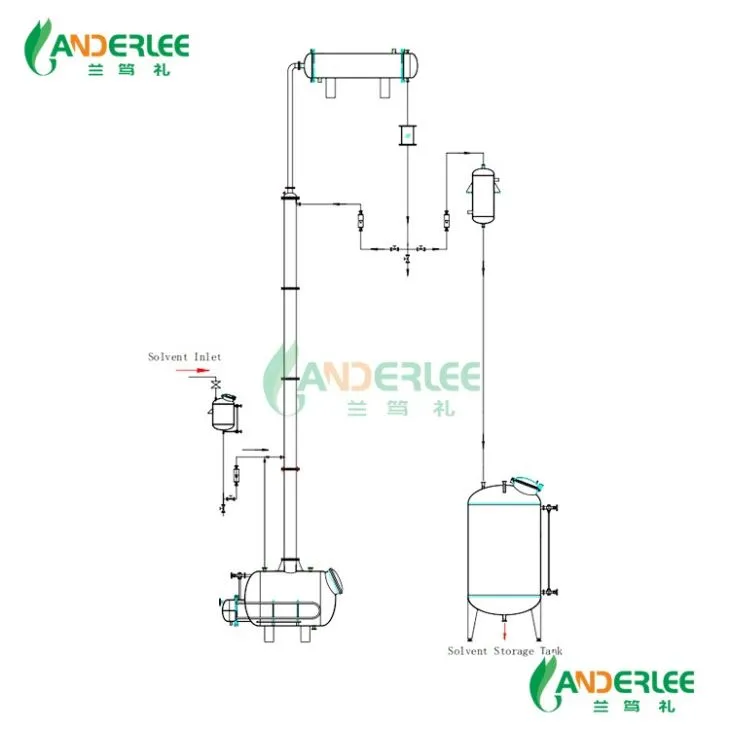
The cost of solvents and environmental regulations are two important factors in battery manufacturing. Our Solvent Recovery Machine integrated with the solvent evaporation system can effectively recover the evaporated solvents. The recovered solvents can be reused in the production process, significantly reducing the overall production cost. Moreover, by recycling solvents, the environmental impact of solvent disposal is minimized, helping battery manufacturers comply with environmental regulations.
Improved Product Quality
As mentioned earlier, the precise control of the evaporation process ensures high - purity electrodes. High - quality electrodes are the foundation of high - performance batteries. Batteries produced using electrodes made with our solvent evaporation machines are likely to have better electrical performance, longer cycle life, and higher safety levels. This improvement in product quality can enhance the competitiveness of battery manufacturers in the market.
Reduced Labor and Operational Costs
Our solvent evaporation machines are automated systems with user - friendly interfaces. They require minimal manual intervention during operation, which reduces labor costs. Additionally, the machines are designed for energy - efficient operation. The advanced heat - transfer and insulation technologies reduce energy consumption, resulting in lower operational costs for battery manufacturers.
Relevant Equipment for Complementary Processes
In addition to solvent evaporation, other processes in battery manufacturing also require specialized equipment. The Ultrasonic Extraction Device can be used in the early stage of raw material extraction, which can improve the extraction efficiency of active materials in electrodes. The Supercritical Fluid Extraction Machine is another advanced equipment that can be used for high - purity extraction of specific substances, which can contribute to the overall quality improvement of battery production.
Conclusion and Invitation to Purchase
In conclusion, our solvent evaporation machines are highly suitable for solvent evaporation in the battery manufacturing process. With their ability to meet technical requirements, offer feasibility in different production scales, and provide multiple benefits such as solvent recovery, improved product quality, and reduced costs, they are an ideal choice for battery manufacturers.
If you are a battery manufacturer looking for a reliable solvent evaporation solution, we invite you to contact us for further discussions. Our team of experts is ready to provide tailored solutions based on your specific needs and production requirements. Let's work together to improve the efficiency and quality of your battery manufacturing process.
References
- Doe, J. (2022). Advances in solvent evaporation techniques for battery manufacturing. Journal of Battery Science, 15(2), 123 - 135.
- Smith, A. (2021). Solvent management in modern battery production. Battery Technology Review, 8(3), 78 - 89.
- Johnson, M. (2020). The impact of solvent evaporation on battery electrode quality. International Journal of Energy Storage, 12(4), 201 - 210.